I created the Stories of Hope blog series for the nonprofit organization Children Incorporated as the Director of Development. I spent a decade traveling around the world reporting on the burden of poverty and writing stories about the children and communities we were able to support thanks to our donors. I wrote weekly SEO-driven blogs in various formats including informative blogs, personal narratives, interviews, how-to guides and high-performing list posts. I also created many of our organization’s landing pages, print and digital appeals, social media campaigns, and newsletters to tell the story of the impact of our donors. My writing can be found below as well as here: 2016-2025 Children Incorporated Stories of Hope.
SUPPORTING YOUNG GIRLS’ INDEPENDENCE
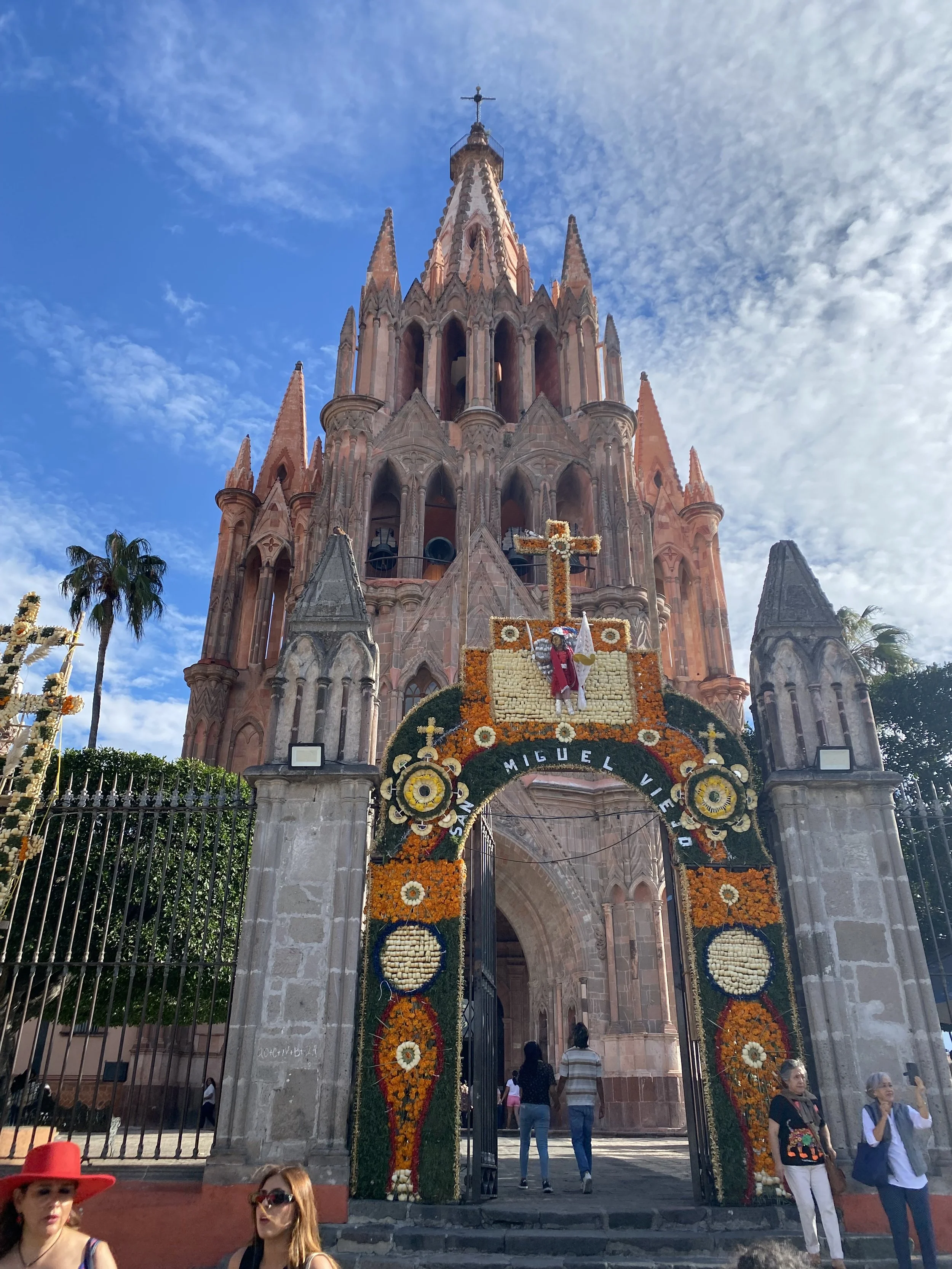
After a wonderful visit to Casa Santa Ines in Mexico City, I couldn’t wait for our President and CEO, Ron Carter, to visit our next affiliated site, Santa Julia, which is a four-hour bus ride away in San Miguel de Allende.
Ron, our International Programs Specialist Yefiny, and I arrived in San Miguel in the late afternoon. We planned to meet with Lily, who works in the administrative offices of Santa Julia, the day after. We were able to get a good night’s rest, and the following morning, Lily picked us up at the hotel in a van used to transport the children who live at the home to and from school.
We made the short drive to Santa Julia, hidden in a small neighborhood not far from the center of San Miguel de Allende, tucked away safely behind a large security door and tall concrete walls surrounding the property.
LEARNING ABOUT THE GIRLS
As we drove, Lily explained to Luis and Yefiny that the government chooses which children live at Santa Julia, and at most, they can host up to 30 girls, who may stay for as little as two days or for as long as until they reach 18 years of age and can legally live on their own. These girls are coming from the most unfortunate circumstances, said Lily, as they are forcibly removed from their parents due to abuse, drug use, or other criminal activity. Many of them won’t ever see their parents again. At the time of our visit, there were only 14 girls at the home, ages 4 to 17 years old, and a few of them had already been there for many years.
After entering through the large gates of the property, we saw a few girls sitting on a bench in the courtyard. Lily explained that because today was the Inauguration Day of the new president in Mexico, the children were not in school and, therefore, were available to visit with us all day! We greeted them warmly and then began to tour the vast facility of Santa Julia.
SPONSORSHIP IN CENTRAL AMERICA
In Central America, we work in Costa Rica, El Salvador, Honduras, and Guatemala to give children in need a chance at a brighter future. Your support of children in these countries helps to provide them with food, clothing, school supplies, and hygiene items. In addition, Children Incorporated funds feeding programs, and we assist unsponsored children through our Shared Hope Fund. We also support skills training programs to increase chances for employment for children and their parents, so that their financial situations may improve.
INFORMATION ABOUT THE COUNTRIES IN CENTRAL AMERICA IN WHICH WE WORK
Central America is full of beauty, but it is plagued by political, social, and economic issues that are depriving children of the basic needs they deserve, keeping them from obtaining a good education. As such, we want to highlight information about each of the Central American countries in which we work, to show you not only what the countries have to offer with regard to culture, landscape, and history, but also what they lack in infrastructure — the reasons for which we affiliate with projects in each of these nations, in order to support their children in need.
ABOUT COSTA RICA
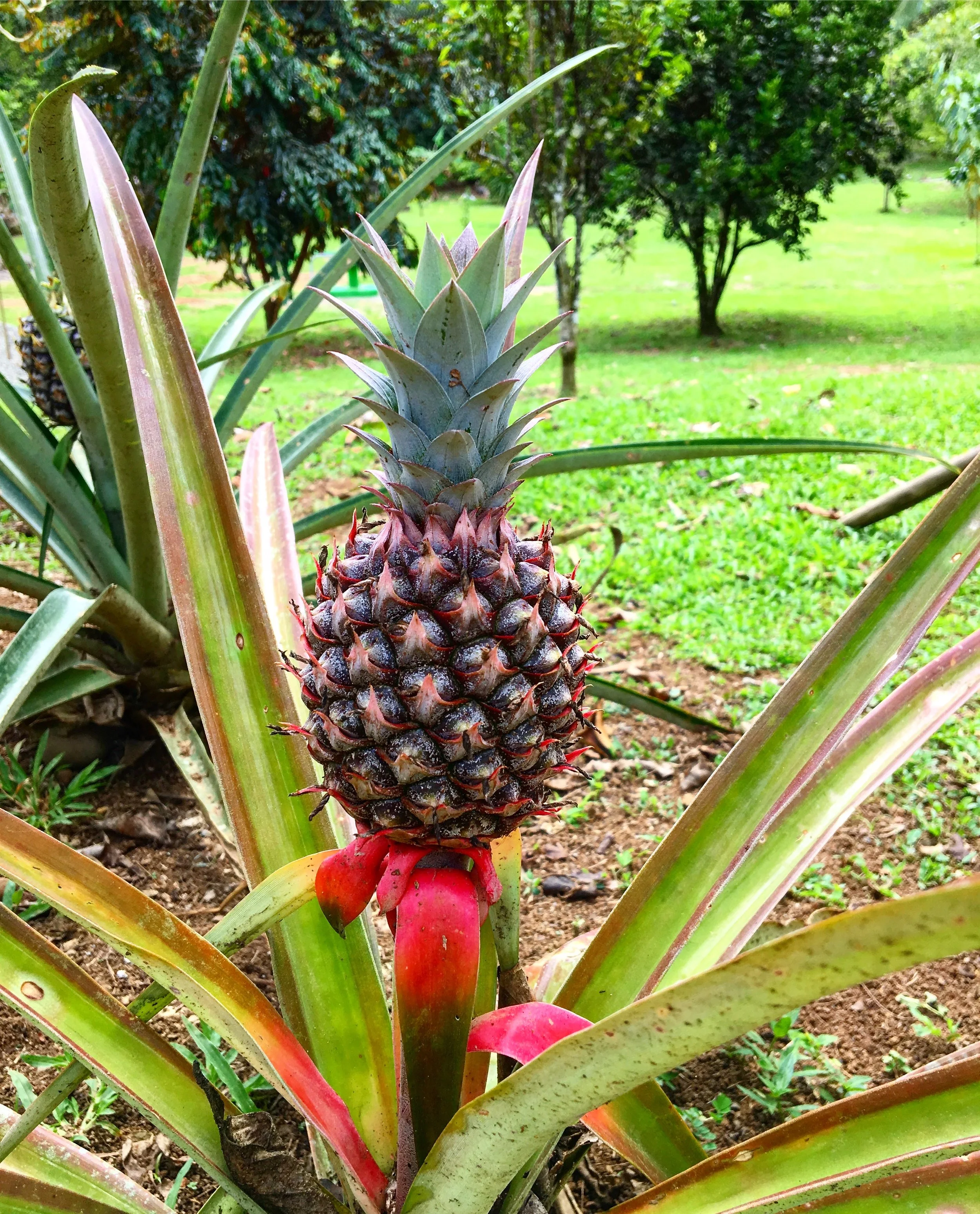
Situated on the Central American Isthmus, Costa Rica is a land rich in natural beauty, with tropical rainforests, volcanoes, and lakes. It shares borders with Nicaragua to the north, Panama to the south, the Caribbean Sea to the east, and the Pacific Ocean to the west. Despite its status as one of the most stable, prosperous, and progressive nations in Latin America – and one of the most eco-friendly in the world — Costa Rica struggles beneath a threatened economy and social unrest. Its lenient immigration laws invite a flood of immigrants from neighboring countries; as a result, the nation has seen a dramatic increase in unemployment, poverty, inflation, and crime.
A Guide TO SPONSORING A CHILD
Child sponsorship is one of the most effective ways to help a child living in poverty and it also has many rewards for the sponsor. We want to offer a comprehensive guide on why sponsoring a child has such a lasting effect on impoverished children and how you can get involved in changing a child’s life.
INTRODUCTION TO CHILD SPONSORSHIP
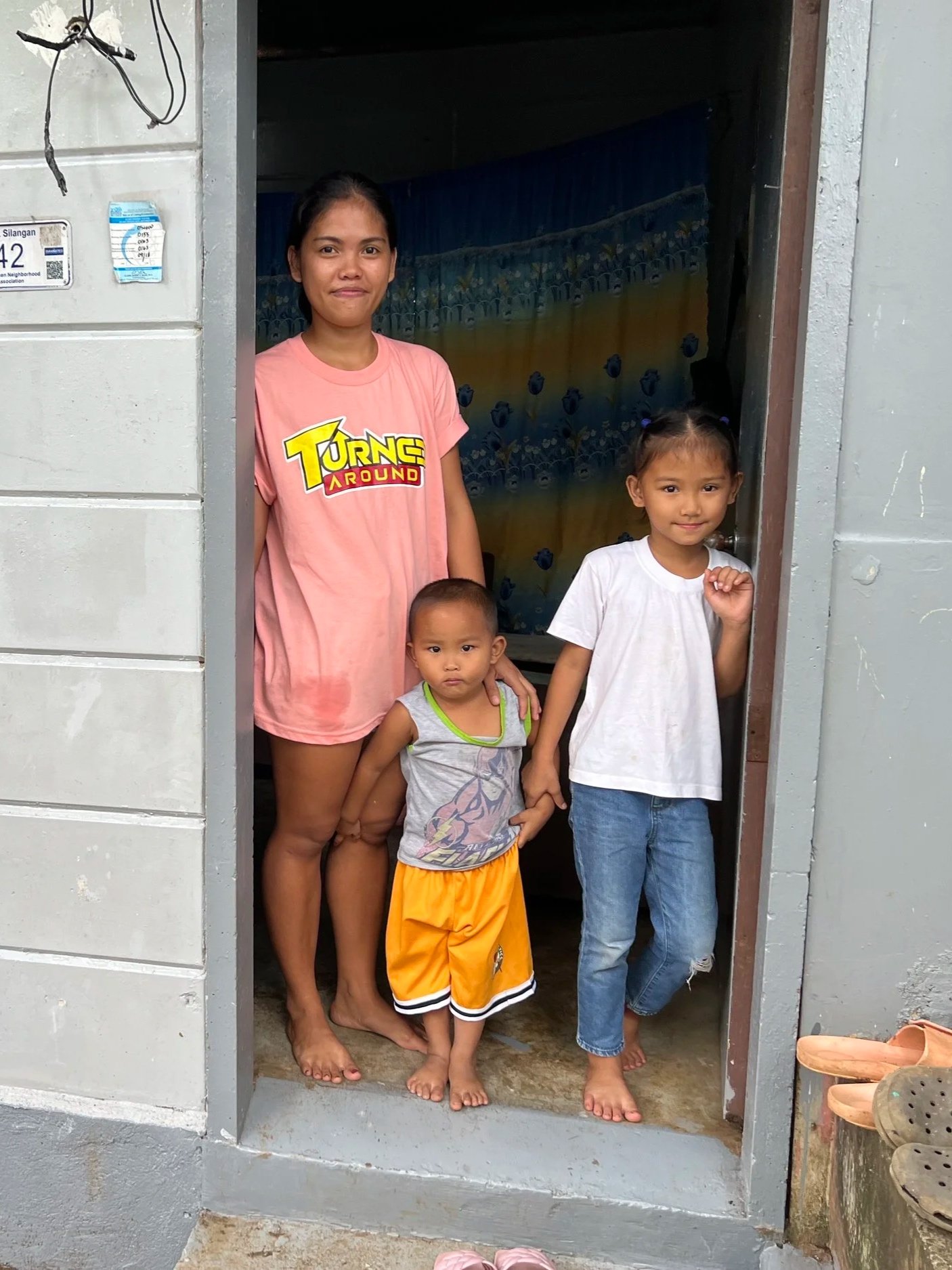
Child sponsorship involves pairing a supporting donor with a child in need. The donor (who we refer to as the sponsor) donates monthly to support their sponsored children with basic needs such as food, clothing, hygiene items, and educational assistance such as tuition or school supplies.
Child sponsorship is one of the most effective ways to help end child poverty. For $35 a month, you not only meet the child’s most immediate basic needs but also provide them with an education that will allow them to pursue higher education or obtain employment in the future.
The sponsorship relationship enables a sponsor to help support an impoverished child through monthly contributions and the exchange of correspondence with the sponsored child if the sponsor so desires. A sponsor’s friendship and encouragement are priceless to a child in such circumstances. Indeed, many children value the relationships they establish with their sponsors as much as they appreciate the financial support they receive from them. There is also an opportunity to build a profound relationship between a sponsor and a child.
WHY SPONSOR A CHILD?
Child sponsorship has a direct impact on the children that are supported. Children have an overall improvement in their confidence, resilience, and well-being. Child sponsorship also can break the cycle of poverty, creating lasting change for individuals and their communities.
When you choose to sponsor a child, you transform not only their life, but the lives of everyone in their community. That’s because the most effective way to make sure positive changes have a lasting impact is to empower them to make a lasting impact for their families and their communities. Although your donations to your sponsor child go directly to them, and are not shared with their families or the community at large, when you help an individual child succeed, they are then able to help their own families and their own communities. Sponsors help children develop confidence and resilience, which can help them overcome challenges and break the cycle of poverty.
SPONSORING A CHILD IN AFRICA
Here at Children Incorporated, we know that sponsoring a child in need is extraordinarily rewarding, so we want to provide you with a guide to walk you through the process.
In order to make your decision as easy as possible, here you will find the answers to sixteen of the most common questions we receive about sponsoring a child in Africa.
1. WHAT IS SPONSORSHIP?
The sponsorship relationship enables an individual sponsor to help support a child in need by means of monthly contributions. Monthly sponsorship donations go towards providing basic necessities such as school supplies and tuition fees, food, clothing, and access to healthcare, among other services, so that a child living in poverty has the opportunity to overcome the barriers that keep them from attending school, getting an education, and succeeding in life.
2. WHAT IS THE ROLE OF A SPONSOR?
A sponsor’s friendship and encouragement are priceless to a child in such circumstances. Indeed, many children value the relationships they establish with their sponsors as much as they value the financial support they receive from them. There is an opportunity to build a relationship between sponsor and child that can be quite profound.
3. HOW LONG CAN I SPONSOR A CHILD IN AFRICA?
Typically, sponsorship lasts until a child turns eighteen years old, graduates from high school, or moves out of our service area. Due to the transient state of many families and the difficult circumstances of the regions where they reside, we cannot predict or guarantee how long a child will remain in our sponsorship program, although every effort is made to provide services to children for as long as possible.
When a child leaves the sponsorship program, another child is selected for you to sponsor that is equally in need, in the hope that you will accept the new sponsorship.
UNDERSTANDING CHILD POVERTY
Poverty means more than a lack of income. It also means a lack of resources to ensure sustainable livelihoods, such as food, clothing, clean water and proper shelter.
Poverty has many detrimental outcomes for children — hunger and malnutrition, ill-health, limited or a lack of access to education and other basic services. When children are raised in impoverished households, they often have to drop out of school to help their families or don’t attend school at all. Without an education, they have very little chance of breaking the cycle of poverty in which they live.
Poverty can cause children permanent damage, both physically and mentally, and in both the short and long term. A lack of essentials can stunt their growth, cause them to fall behind in school, and lead to health problems for them. It also affects their roles within their families, communities, and society as a whole. Poverty denies children their human rights, and it leads to a vicious cycle of deprivation, which is difficult to break without proper support or assistance.
WHAT IS THE DEFINITION OF CHILD POVERTY?
According to UNICEF, child poverty is when a child is living within a household in which the family’s economic resources are below the threshold of what is required to meet their basic needs such as food, clothing, housing and hygiene items.
WHY IS CHILD POVERTY AN ISSUE?
Yes, child poverty is an issue that effects millions of children around the world every year. UNICEF states that the consequences of child poverty are detrimental. Children living in poverty are twice as likely to die in childhood than children not living in poverty.
WHAT ARE THE CAUSES OF CHILD POVERTY?
Child poverty is caused by parental unemployment, disability, discrimination, lack of education, and lack of social services.
HELP SAVE CHILDREN IN KENYA
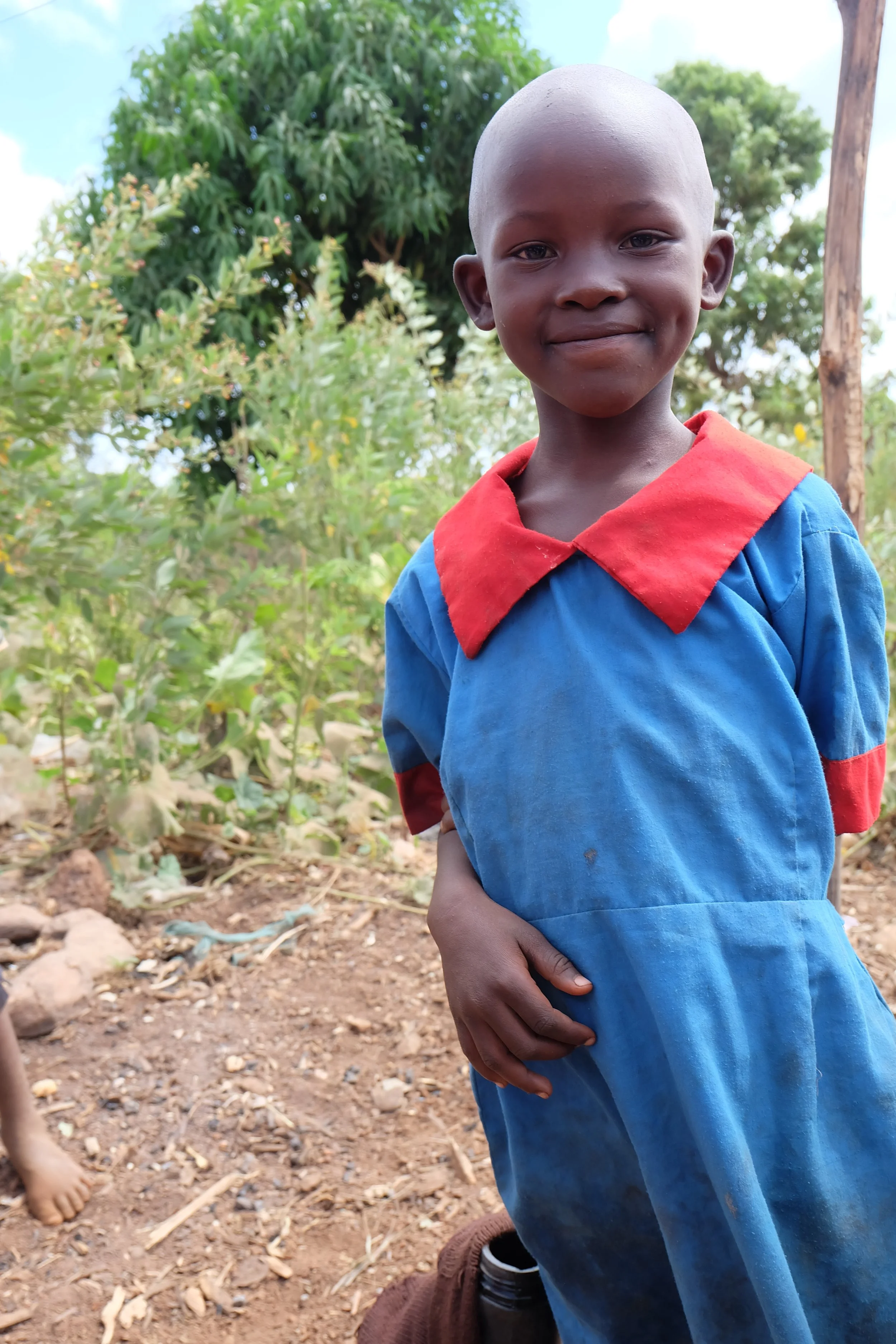
Located in the Great Lakes region of eastern Africa, Kenya is known for its fertile highlands, grassy savannahs, wildlife, and its namesake peak, Mt. Kenya. Its economy relies heavily upon agriculture and tourism. Kenya is also a cradle of civilization, rich in cultural heritage and diversity. The nation’s wealth of natural beauty, resources, and culture, however, belie the poverty in which most of its residents live.
Tragically, destitution and weak government institutions permit frequent violations of human rights. Kenya is also plagued by a severe shortage of healthcare workers, which contributes to lower life expectancies, high infant mortality rates, and widespread preventable disease.
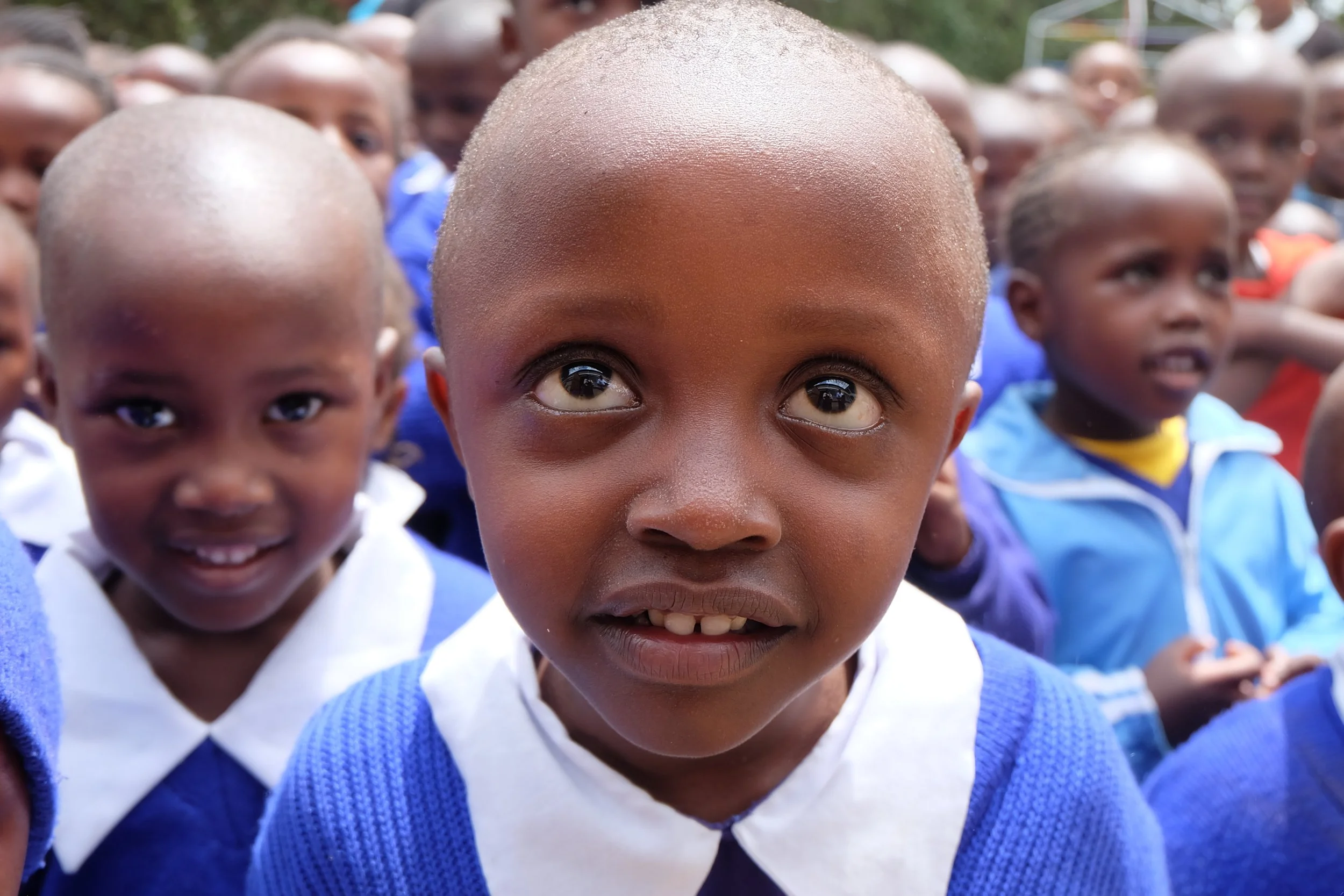
Children living in poverty face especially difficult situations in Kenya. Education is rarely free, and many families cannot afford school uniforms, books and meals to send their children to school. Although Kenya is seeing a decrease in poverty overall, a large population of children in the country still lives in vulnerable situations without access to basic needs.
OUR WORK IN KENYA
Thanks to caring people like you, Children Incorporated has helped thousands of children living in poverty in Kenya since 1964.
We work with our volunteer coordinators in local communities to provide health and nutrition, education, hygiene items, clothes, shoes, and other essentials that help children and families rise above the poverty in which they live.
Our strategy is to focus on individual children through our sponsorship program, ensuring they are receiving exactly what they need on a regular basis.
Your support makes all our work possible for Kenyan children in crisis.